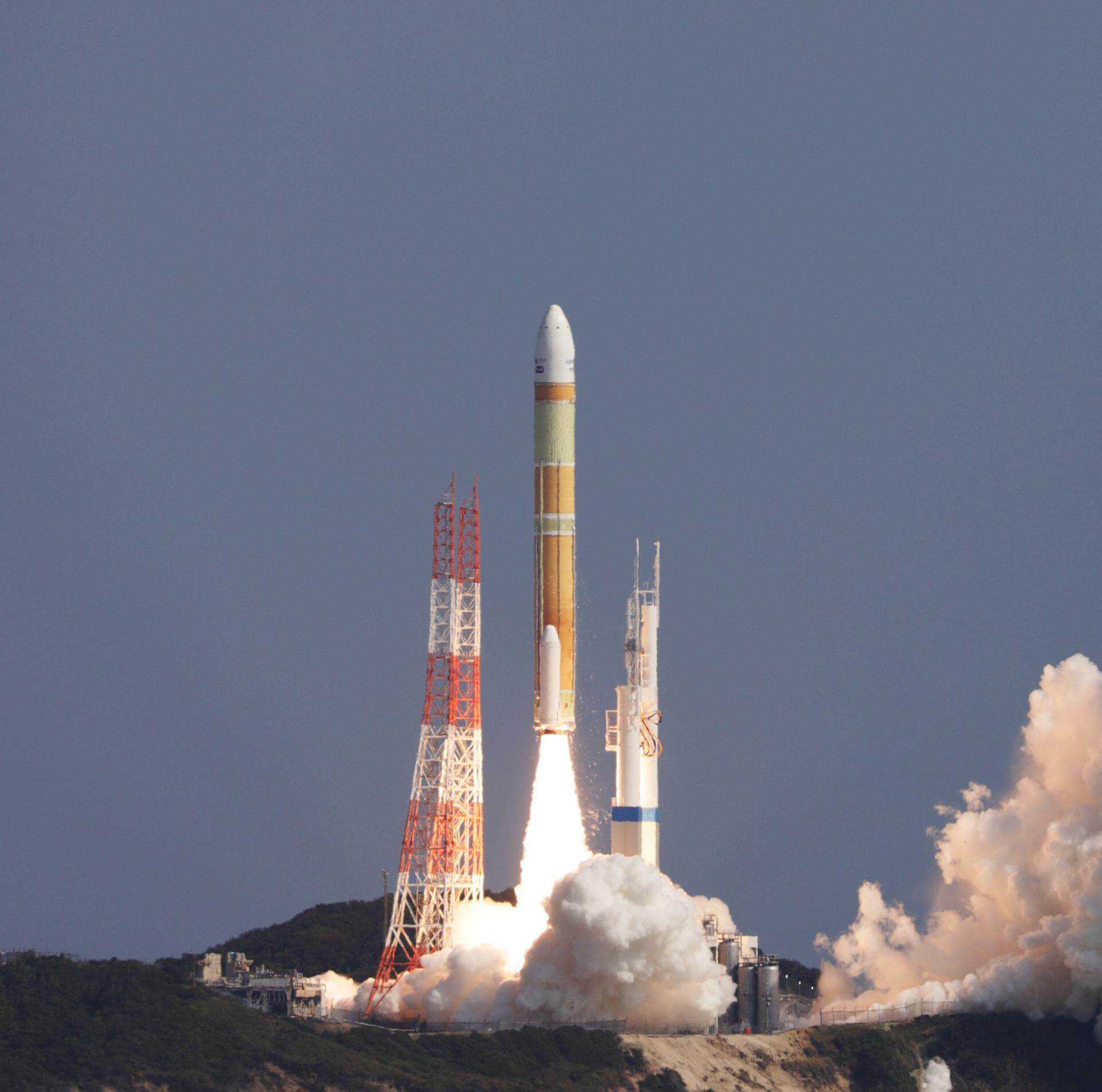
H3-22 | ALOS-3 (Maiden flight)
任务详情
Maiden flight of the H3 launch vehicle, carrying the Advanced Land Observing Satellite-3 (ALOS-3). ALOS-3, also known as Advanced Optical Satellite is a successor of the optical mission of the Advanced Land Observation Satellite “DAICHI” (ALOS). The new satellite will achieve improved ground resolution (0.8 m) while observing a wide -swath (70 km) by a larger sensor with higher performance compared to DAICH, and continuously observe not only Japan but also global land areas to construct a system that can swiftly and timely acquire, process and distribute image data. Based on the accumulated data captured in pre- and post-disaster times, the satellite aims to become one of the imperative devices for disaster prevention and preparation activities of countries and municipal governments. Observation data acquired by the satellite is also expected to be useful in various fields such as contributing to the maintenance and updates of precise geospatial information in Japan as well as developing countries, and research and applications on coastal and land environmental monitoring by its observation capabilities.
运营机构
未知
火箭详情
基本信息
| 名称 | H3-22 |
| 全名 | H3-22 |
| 家族 | H3 |
| 型号 | 22 |
| 制造商 | 三菱重工业株式会社(三菱重工) |
规格参数
| 长度 | 63 m |
| 直径 | 5.27 m |
| 最小级数 | 2 |
| 最大级数 | 2 |
| 起飞质量 | - t |
| 起飞推力 | 7542 kN |
| LEO运力 | - kg |
| GTO运力 | 5400 kg |
| 首飞时间 | 2023-03-07 |
描述
The H3 Launch Vehicle is a Japanese expendable launch system. Each H3 booster configuration has a two-digit and a letter designation that indicates the features of that configuration. The first digit represents the number of LE-9 engines on the main stage, either "2" or "3". The second digit indicates the number of SRB-3 solid rocket boosters attached to the base of the rocket, and can be "0", "2" or "4". All layouts of solid boosters are symmetrical. The letter in the end shows the length of the payload fairing, either short "S" or long "L". For example, an H3-24L has two engines, four solid rocket boosters, and a long fairing, whereas an H3-30S has three engines, no solid rocket boosters, and a short fairing.
发射场详情
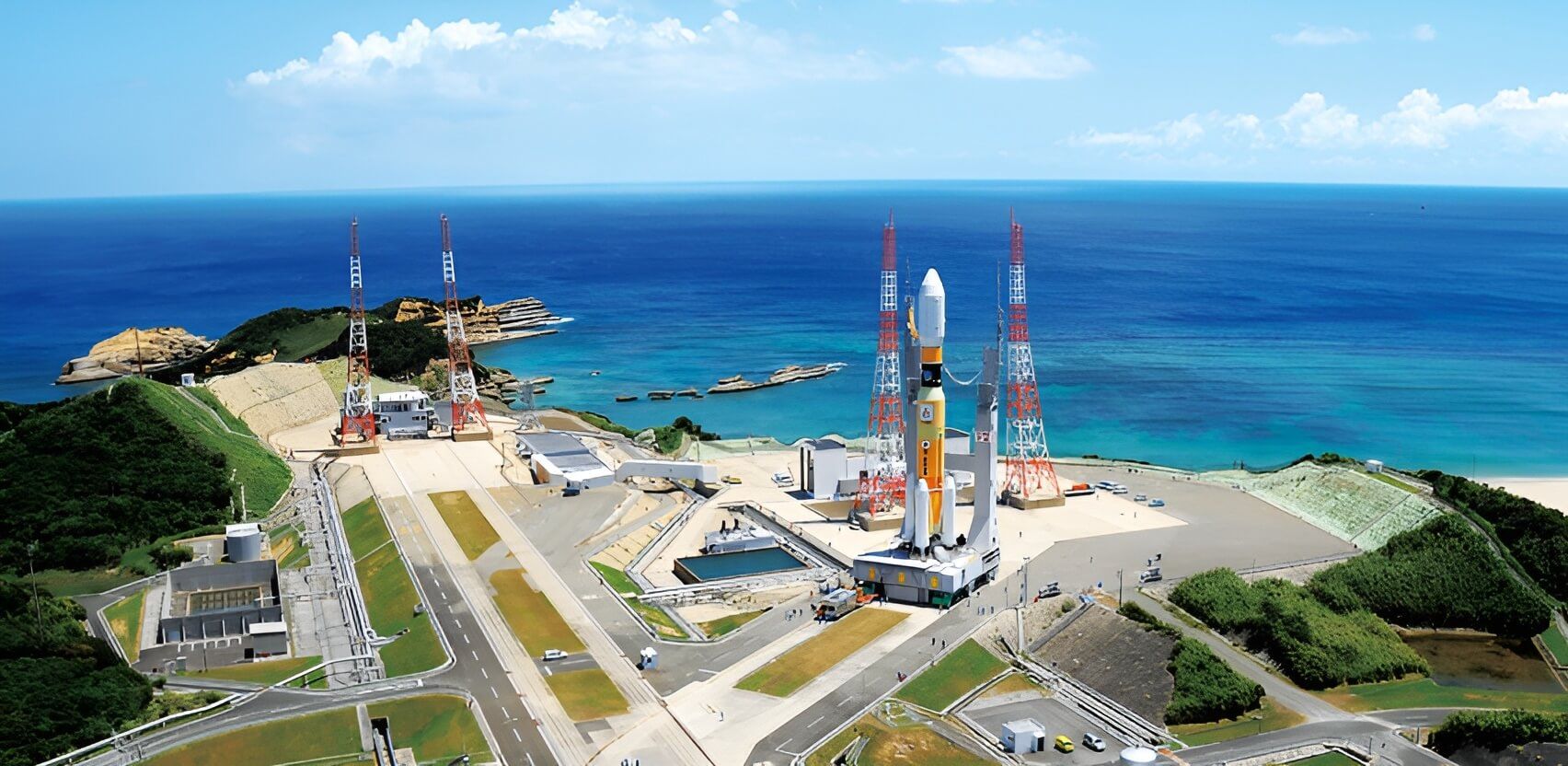
| 发射场名称 | 种子岛航天中心,日本 |
| 发射工位 | 吉信发射综合体LP-2 |
| 国家 | Japan |
| 经纬度 | 30.400938, 130.97564 |