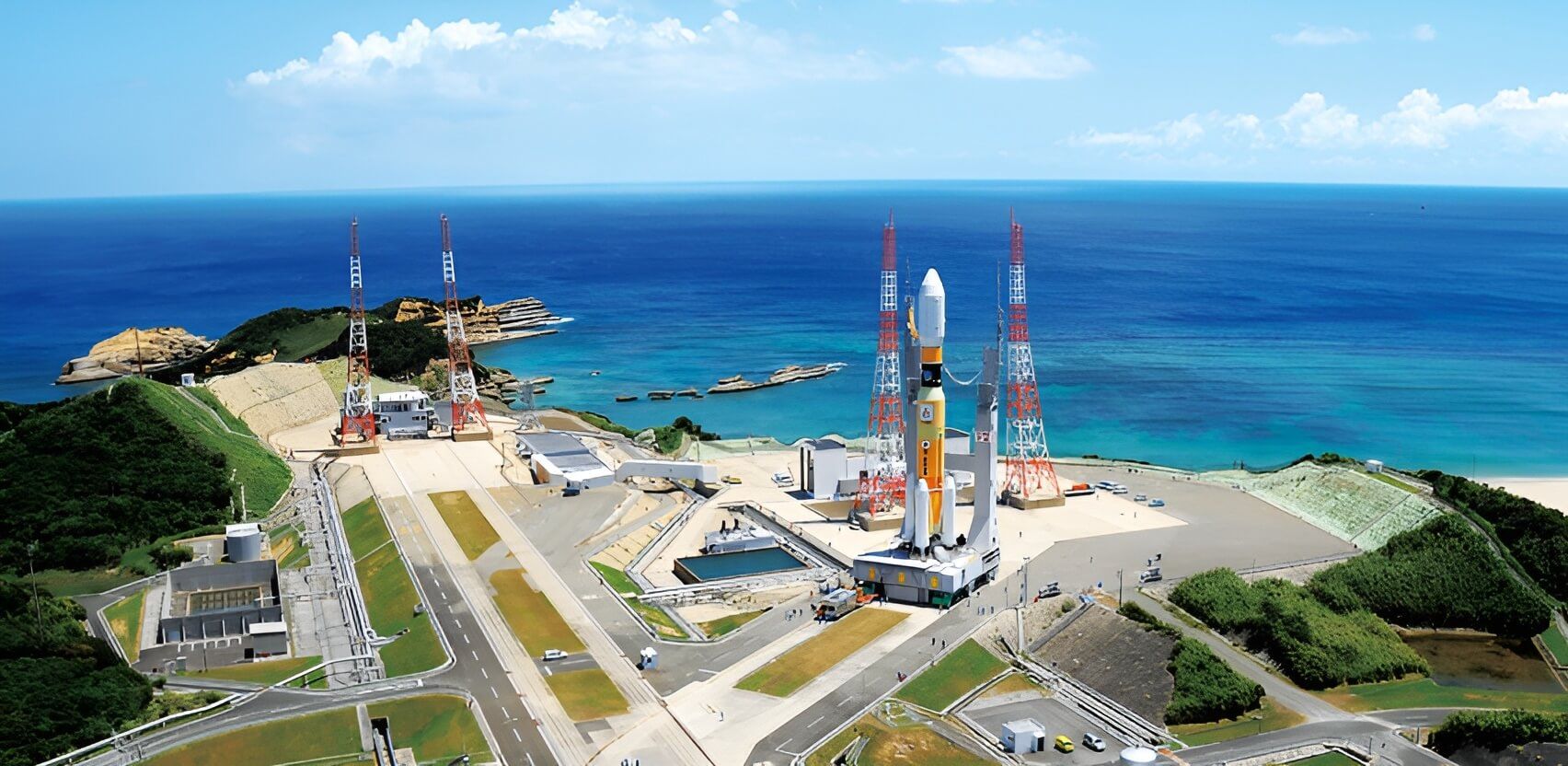
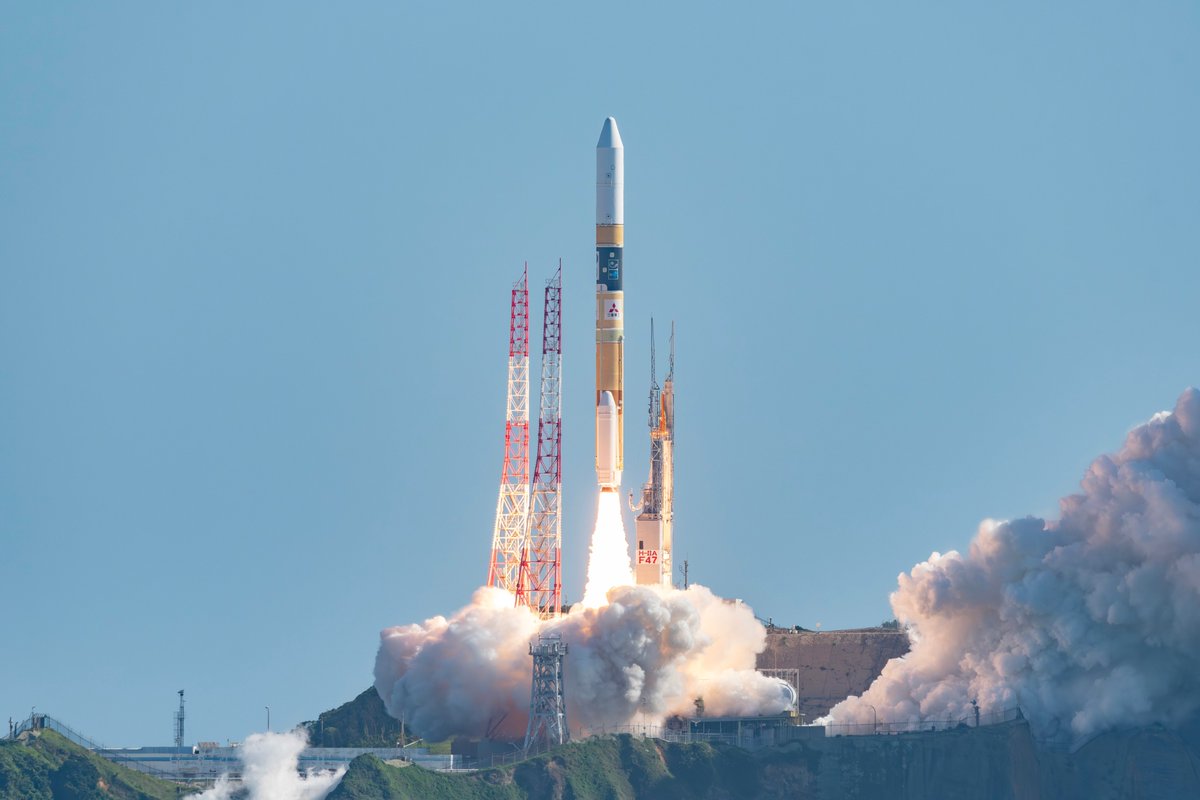
H-IIA 202 | GCOM-W1
发射信息
| 任务代号: | 2012-025 |
| 发射状态: | 发射成功 |
| 发射服务商: | 三菱重工业株式会社(三菱重工) |
| 火箭型号: | H-IIA 202 |
| 火箭家族: | H-II |
| 任务名称: | GCOM-W1 |
| 任务类型: | Earth Science |
| 发射地点: | 种子岛航天中心,日本 |
| 发射工位: | 吉信发射综合体LP-1 |
| 轨道类型: | 太阳同步轨道 |
任务详情
The GCOM-W (Global Change Observation Mission - Water) or Shizuku satellite aims to construct, use, and verify systems that enable continuous global-scale observations (for 10 to 15 years) of effective geophysical parameters for elucidating global climate change and water circulation mechanisms. Water circulation changes will be observed by a microwave radiometer onboard the GCOM-W (Water) satellite (scheduled to be launched in Japan Fiscal Year 2011). The GCOM-W will observe precipitation, vapor amounts, wind velocity above the ocean, sea water temperatures, water levels on land areas and snow depths. Climate change observation will be performed by a multi-wavelength optical radiometer onboard the GCOM-C (Climate) satellite (under consideration) on clouds, aerosol, seawater color (marine organisms), vegetation, snow and ice. These satellites will enable us to perform comprehensive observations of the surface layer of the Earth such as the atmosphere, including clouds, land, oceans and the cryosphere. The Advanced Microwave Scanning Radiometer 2 (AMSR2) is a sensor to observe radiometers, or microwaves emitted naturally from the ground, sea surface and atmosphere, using 6 different frequency bands ranging from 7 GHz to 89 GHz. The strength of a natural microwave is determined by its characteristics and moisture, including the surface condition and temperature of the material. Although it depends on the frequency, the microwave is very weak. AMSR2 will detect such weak microwaves at an altitude of 700 kilometers and measure the strength of them with a very high accuracy. For example, by measuring the strength of a microwave emitted from the sea surface with the AMSR2, one can understand the water temperature of the sea surface to an accuracy of 0.5 degrees Celsius.
运营机构
未知
火箭详情
基本信息
| 名称 | H-IIA |
| 全名 | H-IIA 202 |
| 家族 | H-II |
| 型号 | 202 |
| 制造商 | 三菱重工业株式会社(三菱重工) |
规格参数
| 长度 | 53 m |
| 直径 | 4 m |
| 最小级数 | 2 |
| 最大级数 | 2 |
| 起飞质量 | 285 t |
| 起飞推力 | 2260 kN |
| LEO运力 | 10000 kg |
| GTO运力 | 4100 kg |
| 首飞时间 | 2001-08-29 |
描述
H-IIA (H2A) is an active expendable launch system operated by Mitsubishi Heavy Industries (MHI) for the Japan Aerospace Exploration Agency. The liquid-fueled H-IIA rockets have been used to launch satellites into geostationary orbit, to launch a lunar orbiting spacecraft, and to launch Akatsuki, which studied the planet Venus. Launches occur at the Tanegashima Space Center.
发射场详情
| 发射场名称 | 种子岛航天中心,日本 |
| 发射工位 | 吉信发射综合体LP-1 |
| 国家 | Japan |
| 经纬度 | 30.400813, 130.977748 |