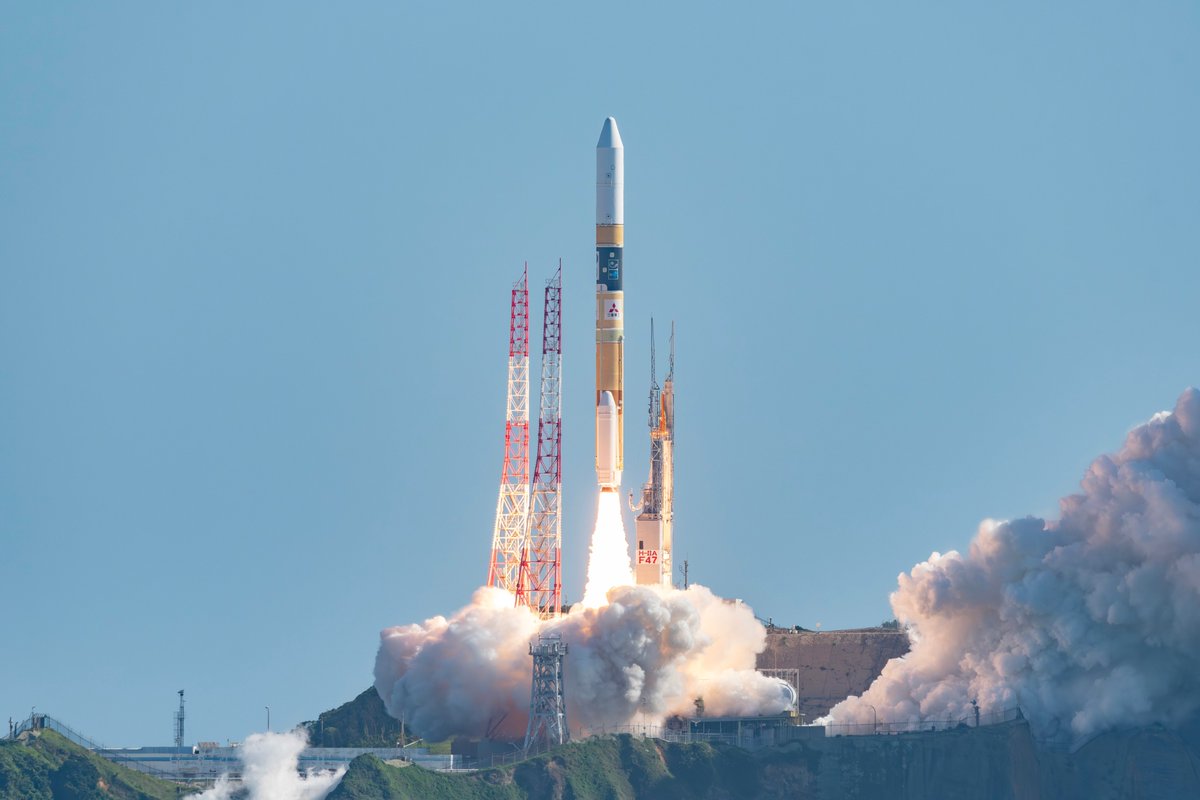
H-IIA 202 | QZS-1R
任务详情
The Quasi-Zenith Satellite System (QZSS) is a three-satellite regional time transfer system and the satellite-based augmentation system for the GPS that would be receivable within Japan. The primary purpose of QZSS is to increase the availability of GPS in Japan's numerous urban canyons, where only satellites at very high elevation can be seen. A secondary function is performance enhancement, increasing the accuracy and reliability of GPS derived navigation solutions. QZS-1R is a replacement satellite for QZS-1 which was launched in 2010.
运营机构
未知
火箭详情
基本信息
| 名称 | H-IIA |
| 全名 | H-IIA 202 |
| 家族 | H-II |
| 型号 | 202 |
| 制造商 | 三菱重工业株式会社(三菱重工) |
规格参数
| 长度 | 53 m |
| 直径 | 4 m |
| 最小级数 | 2 |
| 最大级数 | 2 |
| 起飞质量 | 285 t |
| 起飞推力 | 2260 kN |
| LEO运力 | 10000 kg |
| GTO运力 | 4100 kg |
| 首飞时间 | 2001-08-29 |
描述
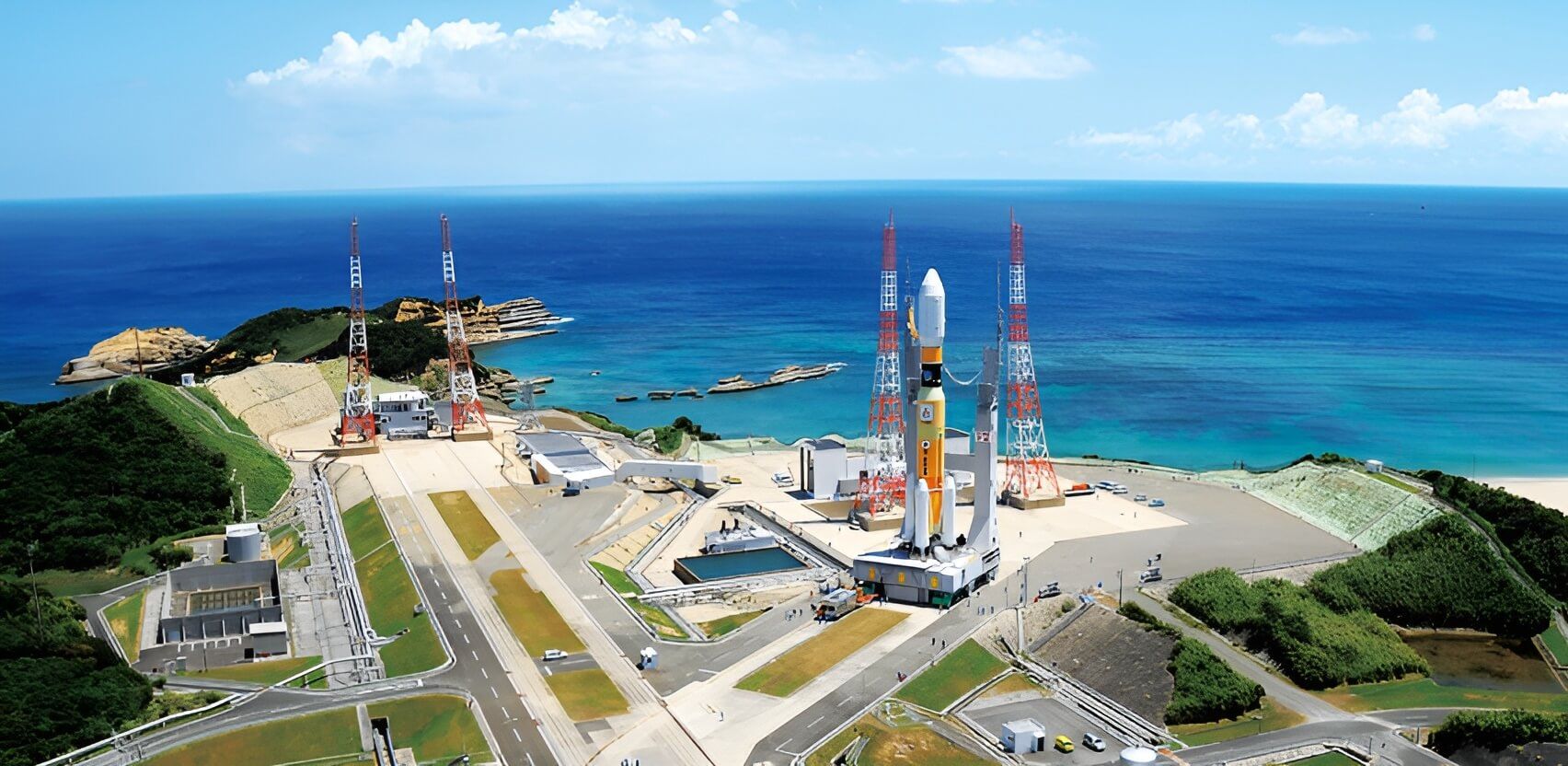
H-IIA (H2A) is an active expendable launch system operated by Mitsubishi Heavy Industries (MHI) for the Japan Aerospace Exploration Agency. The liquid-fueled H-IIA rockets have been used to launch satellites into geostationary orbit, to launch a lunar orbiting spacecraft, and to launch Akatsuki, which studied the planet Venus. Launches occur at the Tanegashima Space Center.
发射场详情
| 发射场名称 | 种子岛航天中心,日本 |
| 发射工位 | 吉信发射综合体LP-1 |
| 国家 | Japan |
| 经纬度 | 30.400813, 130.977748 |