H-IIA 204 | Inmarsat-6 F1
任务详情
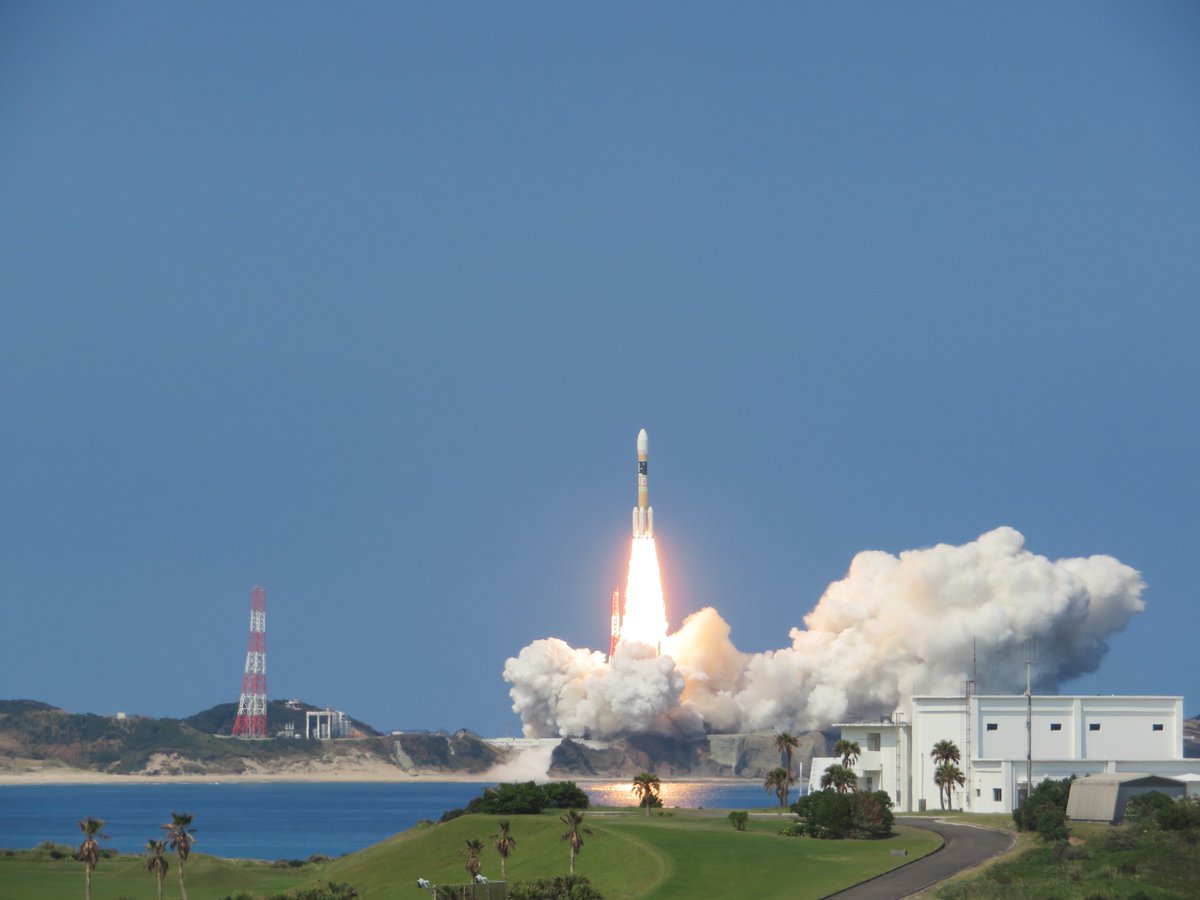
Inmarsat-6 is the sixth generation of satellites for the London-based global mobile satellite communications operator Inmarsat. It consists of a dual mission to augment both L-band and Ka-band Global Xpress services. Airbus Defence and Space has been awarded a contract by Inmarsat to design and develop the first two Inmarsat-6 (I-6) mobile communications satellites, creating the most versatile mobile services satellites in its fleet. The two I-6 satellites are based on Airbus Defence and Space's Eurostar platform in its E3000e variant, which exclusively uses electric propulsion for orbit raising. The satellites take advantage of the reduction in mass that this electric propulsion technology enables for a dual payload mission, with an exceptionally large next generation digitally processed payload. I-6 F1 and F2 both carry a large 9 m aperture L-band antenna and nine multibeam Ka-band antennas, and feature a high level of flexibility and connectivity. A new generation modular digital processor provides full routing flexibility over up to 8000 channels and dynamic power allocation to over 200 spot beams in L-band. Ka-band spot beams are steerable over the full Earth disk, with flexible channel to beam allocation.
运营机构
未知
火箭详情
基本信息
| 名称 | H-IIA |
| 全名 | H-IIA 204 |
| 家族 | H-II |
| 型号 | 204 |
| 制造商 | 三菱重工业株式会社(三菱重工) |
规格参数
| 长度 | 53 m |
| 直径 | 4 m |
| 最小级数 | 2 |
| 最大级数 | 2 |
| 起飞质量 | 445 t |
| 起飞推力 | 2260 kN |
| LEO运力 | - kg |
| GTO运力 | 6000 kg |
| 首飞时间 | 2006-12-18 |
描述
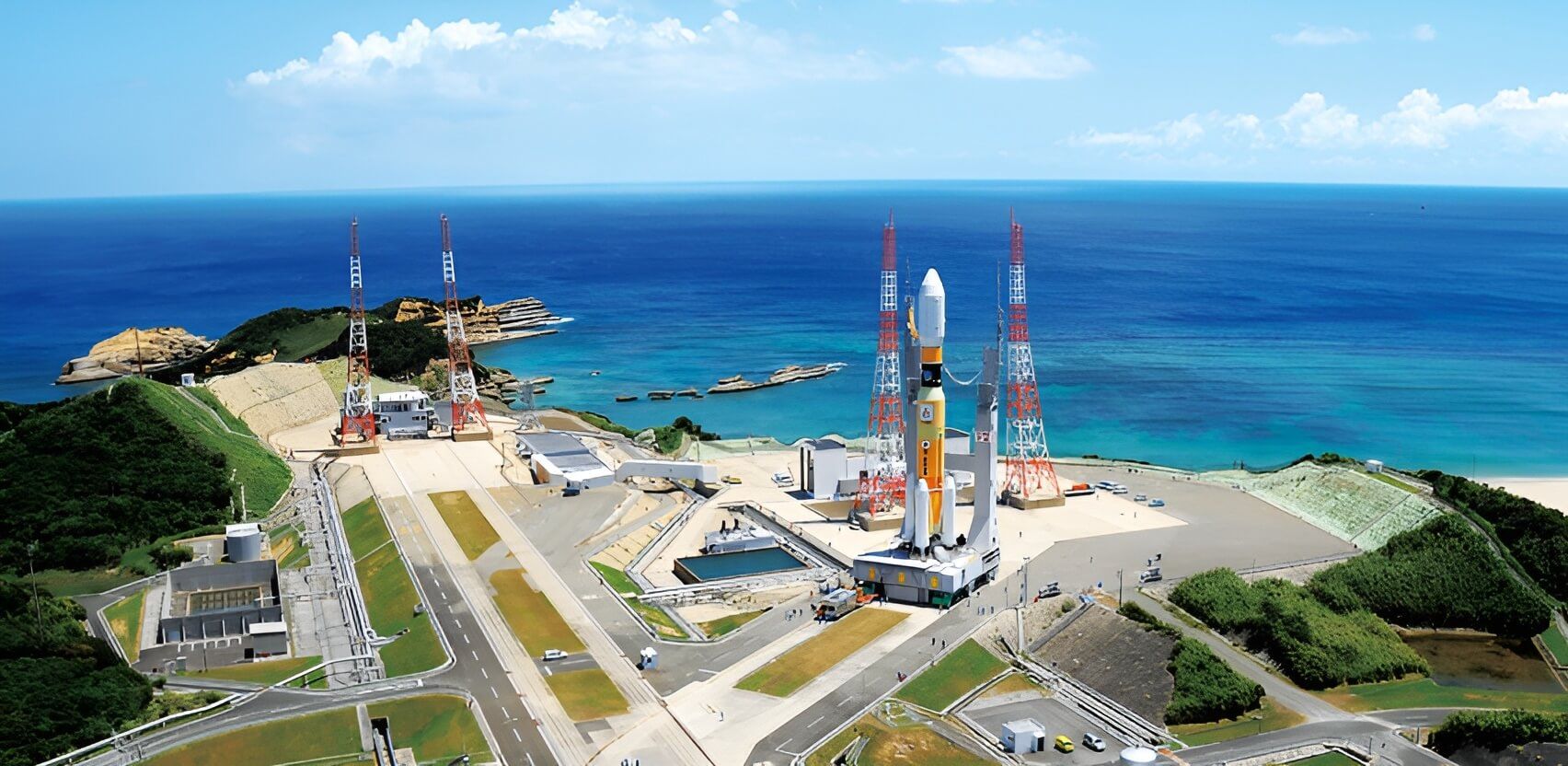
H-IIA (H2A) was an expendable launch system operated by Mitsubishi Heavy Industries (MHI) for the Japan Aerospace Exploration Agency. The liquid-fueled H-IIA rockets have been used to launch satellites into geostationary orbit, to launch a lunar orbiting spacecraft, and to launch Akatsuki, which studied the planet Venus. Launches occur at the Tanegashima Space Center.
发射场详情
| 发射场名称 | 种子岛航天中心,日本 |
| 发射工位 | 吉信发射综合体LP-1 |
| 国家 | Japan |
| 经纬度 | 30.400813, 130.977748 |